What Are the Benefits of Yoga for Anxiety Relief
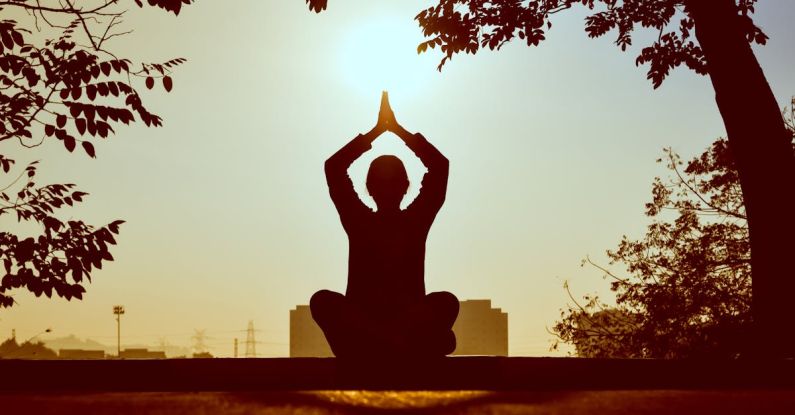
Yoga, an ancient practice that combines physical postures, breathing techniques, and meditation, has gained significant popularity in recent years for its numerous health benefits. One area where yoga shines is in its ability to alleviate anxiety. In today’s fast-paced world, anxiety has become a common struggle for many individuals. Fortunately, incorporating yoga into your routine can be a powerful tool in managing and reducing anxiety levels. Let’s explore the various benefits of yoga for anxiety relief.
Understanding Anxiety and Its Impact
Anxiety is a natural response to stress, but when it becomes excessive and persistent, it can interfere with daily life and overall well-being. Symptoms of anxiety can range from feelings of unease and worry to physical manifestations such as increased heart rate, muscle tension, and difficulty concentrating. Chronic anxiety can have a significant impact on mental health, leading to conditions such as panic disorders, phobias, and generalized anxiety disorder.
Yoga as a Tool for Anxiety Relief
Yoga offers a holistic approach to managing anxiety by addressing both the physical and mental aspects of the condition. Through a combination of physical postures, controlled breathing, and mindfulness practices, yoga can help calm the mind, reduce stress levels, and promote a sense of inner peace. Here are some of the key benefits of incorporating yoga into your routine for anxiety relief:
Improved Breathing Techniques
One of the fundamental components of yoga is focused breathing, also known as pranayama. By practicing deep, controlled breathing techniques during yoga sessions, individuals can activate the body’s relaxation response, leading to a decrease in stress and anxiety levels. Deep breathing helps to calm the nervous system, lower heart rate, and promote feelings of relaxation and tranquility.
Mindfulness and Meditation
Yoga encourages mindfulness, the practice of being fully present in the moment without judgment. Through mindfulness techniques such as meditation and guided imagery, individuals can learn to observe their thoughts and emotions without becoming overwhelmed by them. This increased self-awareness can help individuals better manage anxious thoughts and feelings, leading to a greater sense of control and peace of mind.
Physical Benefits
In addition to its mental health benefits, yoga also offers a range of physical benefits that can help reduce anxiety levels. The gentle stretching and strengthening exercises practiced in yoga can help release tension from the body, improve flexibility, and promote overall relaxation. Regular yoga practice has been shown to reduce cortisol levels, the stress hormone responsible for triggering anxiety responses in the body.
Enhanced Self-Care Routine
Incorporating yoga into your daily routine can serve as a form of self-care, allowing you to carve out dedicated time for yourself to focus on your well-being. By prioritizing self-care practices such as yoga, individuals can cultivate a sense of self-love and compassion, which are essential for managing anxiety and promoting mental health.
Creating a Sense of Community
Yoga classes provide an opportunity to connect with like-minded individuals who share a common goal of improving their physical and mental well-being. This sense of community and support can be invaluable for individuals struggling with anxiety, as it offers a space where they can feel accepted, understood, and supported in their journey towards healing.
In conclusion, the practice of yoga offers a multifaceted approach to managing anxiety, addressing both the physical and mental aspects of the condition. By incorporating yoga into your routine, you can improve your breathing techniques, cultivate mindfulness, and experience a range of physical and mental benefits that contribute to anxiety relief. Whether you are a beginner or an experienced yogi, integrating yoga into your daily life can be a transformative tool for promoting emotional well-being and finding peace amidst life’s challenges.