What Are the Best Natural Remedies for Anxiety
Anxiety is a common mental health issue affecting millions of people worldwide. While seeking professional help is crucial for managing severe anxiety disorders, many individuals also find relief in natural remedies. These remedies can complement traditional treatments and help alleviate symptoms of anxiety. Here, we explore some of the best natural remedies that have shown promising results in reducing anxiety levels.
Understanding Anxiety
Before delving into natural remedies, it’s essential to understand what anxiety is. Anxiety is a normal response to stress, but when it becomes excessive and persistent, it can interfere with daily life. Symptoms of anxiety can vary from person to person and may include feelings of restlessness, irritability, racing thoughts, and difficulty concentrating. Chronic anxiety can also lead to physical symptoms such as muscle tension, headaches, and insomnia.
Mindfulness and Meditation
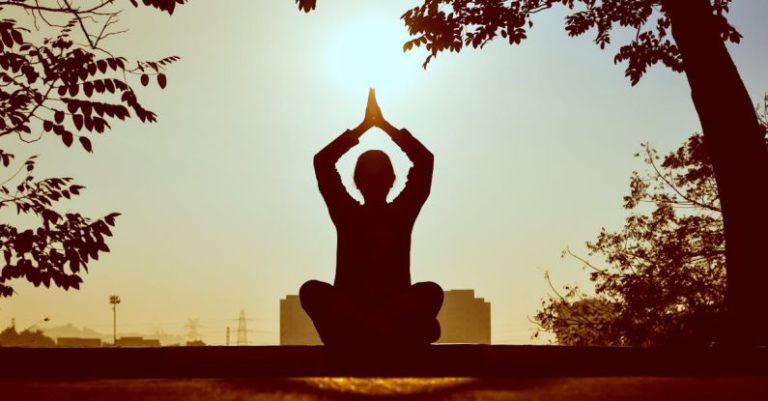
Mindfulness and meditation practices have gained popularity in recent years for their ability to reduce stress and promote relaxation. Mindfulness involves paying attention to the present moment without judgment, while meditation focuses on training the mind to achieve a state of calm and clarity. Research has shown that regular mindfulness and meditation practices can help reduce anxiety levels by promoting a sense of inner peace and tranquility.
Herbal Supplements
Several herbal supplements have been studied for their potential anti-anxiety effects. One of the most well-known herbs for anxiety is passionflower, which has been shown to have calming properties similar to benzodiazepines, but without the same risk of dependence. Another herb, valerian root, is often used as a sleep aid but can also help reduce anxiety symptoms. Additionally, chamomile tea is known for its calming effects and can be a soothing remedy for anxiety.
Aromatherapy
Aromatherapy involves using essential oils to promote relaxation and reduce stress. Certain scents, such as lavender, bergamot, and chamomile, have been shown to have anxiolytic effects and can help alleviate anxiety symptoms. You can use essential oils in a diffuser, add a few drops to a warm bath, or apply them topically with a carrier oil for a calming effect.
Exercise and Physical Activity
Regular exercise is not only beneficial for physical health but can also have a positive impact on mental well-being. Physical activity releases endorphins, which are known as the body’s natural mood elevators. Engaging in activities like yoga, running, or dancing can help reduce anxiety levels and improve overall mental health. Aim for at least 30 minutes of moderate exercise most days of the week to experience the anxiety-reducing benefits.
Dietary Changes
What we eat can have a significant impact on our mental health. Certain foods and nutrients have been linked to anxiety reduction. Incorporating foods rich in omega-3 fatty acids, such as salmon, flaxseeds, and walnuts, can help reduce inflammation and support brain health, which may improve anxiety symptoms. Additionally, foods high in magnesium, such as leafy greens, nuts, and seeds, have been shown to have a calming effect on the nervous system.
Social Support and Connection
Maintaining social connections and seeking support from friends and loved ones can be a powerful antidote to anxiety. Talking about your feelings with someone you trust can help alleviate stress and provide a sense of relief. Joining support groups or engaging in group activities can also help combat feelings of isolation and loneliness, which are common triggers for anxiety.
Conclusion:
While natural remedies can be effective in managing anxiety, it’s important to remember that what works for one person may not work for another. It’s essential to experiment with different remedies and find what works best for you. Additionally, if your anxiety is severe or persistent, it’s crucial to seek professional help from a mental health provider. Combining natural remedies with traditional treatments can provide a holistic approach to managing anxiety and improving overall well-being.