What Are the Best Techniques for Overcoming Panic Attacks

Panic attacks can be overwhelming and debilitating experiences, often striking without warning and leaving individuals feeling helpless and scared. The good news is that there are effective techniques that can help you overcome panic attacks and regain control of your life. By understanding the root causes of panic attacks and implementing targeted strategies, you can learn to manage your symptoms and prevent future episodes. Here, we explore some of the best techniques for overcoming panic attacks.
Understanding Panic Attacks
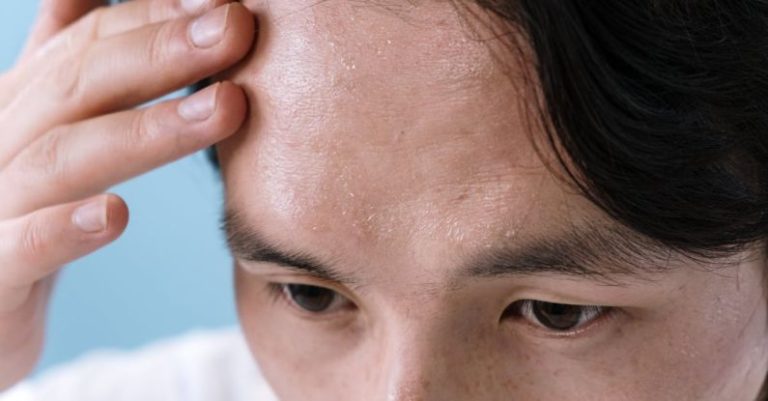
Before delving into specific techniques for managing panic attacks, it is important to understand what they are and why they occur. Panic attacks are intense periods of fear or discomfort that are accompanied by physical symptoms such as a racing heart, shortness of breath, trembling, and dizziness. They can be triggered by various factors, including stress, trauma, phobias, or underlying mental health conditions such as anxiety disorders.
Deep Breathing Exercises
One of the most effective techniques for managing panic attacks is deep breathing exercises. When you experience a panic attack, your breathing becomes rapid and shallow, exacerbating feelings of panic and anxiety. By practicing deep breathing techniques, you can calm your nervous system and reduce the intensity of your symptoms. Try inhaling deeply through your nose for a count of four, holding your breath for a count of four, and then exhaling slowly through your mouth for a count of four. Repeat this process several times until you feel your body and mind begin to relax.
Mindfulness Meditation
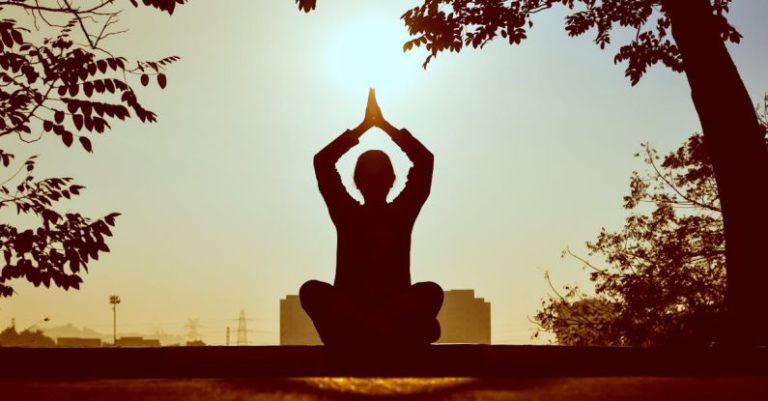
Mindfulness meditation is another powerful tool for managing panic attacks. By focusing on the present moment and observing your thoughts and feelings without judgment, you can cultivate a sense of calm and detachment from your anxiety. Find a quiet space, close your eyes, and concentrate on your breath. Notice any sensations that arise in your body and gently redirect your attention back to your breath whenever your mind starts to wander. With regular practice, mindfulness meditation can help you build resilience to panic attacks and develop a greater sense of self-awareness.
Progressive Muscle Relaxation
Progressive muscle relaxation is a technique that involves tensing and then releasing different muscle groups in your body to promote physical and mental relaxation. When you feel a panic attack coming on, try focusing on one muscle group at a time, starting with your toes and working your way up to your head. Tense each muscle group for a few seconds and then release, paying attention to the sensations of tension and relaxation. This practice can help reduce muscle tension, alleviate stress, and interrupt the cycle of panic.
Cognitive Behavioral Therapy (CBT)
Cognitive-behavioral therapy (CBT) is a widely recommended approach for treating panic attacks and anxiety disorders. CBT helps individuals identify and challenge negative thought patterns and beliefs that contribute to their panic attacks. By working with a therapist, you can learn to reframe catastrophic thoughts, develop coping strategies, and gradually expose yourself to situations that trigger your anxiety in a controlled manner. CBT can provide long-lasting benefits and equip you with the skills to manage panic attacks effectively.
Lifestyle Modifications
In addition to specific techniques, making lifestyle modifications can also help reduce the frequency and intensity of panic attacks. Prioritize regular exercise, healthy eating, and sufficient sleep to support your overall well-being. Limit your consumption of caffeine, alcohol, and nicotine, as these substances can exacerbate anxiety symptoms. Engage in activities that bring you joy and relaxation, such as spending time in nature, practicing yoga, or connecting with loved ones. Building a strong support network and engaging in self-care practices are essential components of managing panic attacks.
In conclusion, overcoming panic attacks is possible with the right techniques and strategies in place. By incorporating deep breathing exercises, mindfulness meditation, progressive muscle relaxation, cognitive-behavioral therapy, and lifestyle modifications into your routine, you can empower yourself to navigate panic attacks with greater resilience and control. Remember that seeking support from a mental health professional is key to developing a personalized plan for managing your anxiety and reclaiming your life from the grip of panic attacks. With dedication and persistence, you can learn to confront your fears, build emotional strength, and emerge stronger on the other side of panic.